West Bengal is a state in eastern India known for its rich history, vibrant culture, diverse landscapes, and economic importance. Formed on 15 August 1947 after the Partition of Bengal, West Bengal is home to the Himalayas in the north, the Bay of Bengal in the south, and the world-famous Sundarbans mangrove forests.
West Bengal at a Glance
- Capital: Kolkata
- Formation: 15 August 1947
- Area: 88,752 km²
- Districts: 23
- Administrative Divisions: 5
- Official Language: Bengali
- Largest City: Kolkata
Geography of West Bengal
West Bengal is strategically situated along the Bay of Bengal, offering a picturesque coastline. At the same time, its northern borders are defined by the majestic Himalayas, including the Darjeeling region, famous for its tea gardens and stunning mountain views. The state’s diverse topography includes the fertile plains of the Ganges delta, the Sundarbans mangrove forests, and the Rarh region, a plateau rich in ancient history.
- Total Area: 88,752 km² (34,267 sq mi), ranking 13th-largest State in India.
- Dimensions: West Bengal stretches about 320 km (200 mi) in length and 623 km (387 mi) in width.
- Highest Elevation: The state’s highest point, Sandakphu, stands at 3,636 meters (11,929 feet).
- Lowest Elevation: The Bay of Bengal marks the state’s lowest point at sea level (0 meters).
Capital and Major Cities of West Bengal
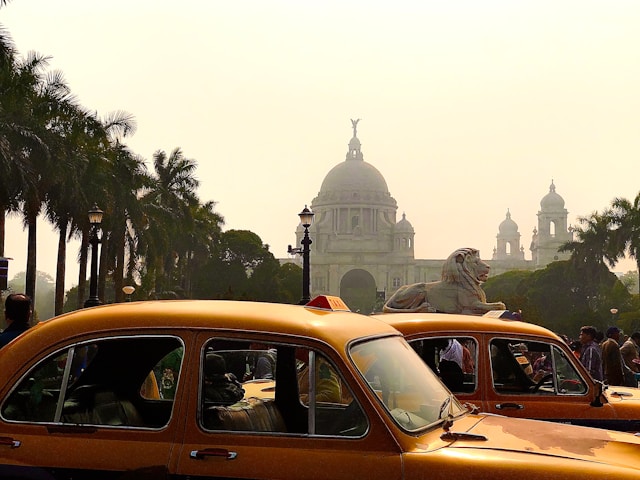
- Capital: Kolkata (formerly Calcutta), the third-largest metropolis in India and an intellectual and cultural hub.
- Largest Metro: The Kolkata Metropolitan Region serves as the state’s largest urban agglomeration and one of the most populous urban areas in India.
Population of West Bengal
As of the 2011 census, West Bengal had a population of over 91 million and ranks as the fourth-most populous state in India. By 2023, this figure is estimated to have reached approximately 99.7 million people. Despite being one of the most populated states, West Bengal maintains a rich cultural diversity, with a mix of rural and urban populations.
- Population Density: 1,029 persons per square kilometer, which is one of the highest in India.
- Urban vs. Rural: The state has a predominantly rural population, with 68.13% living in rural areas, and 31.87% residing in urban centers.
- Sex Ratio: 950 females per 1,000 males (Rank 8th in India).
Languages and People of West Bengal
- Official Language: Bengali is the state’s primary language and is spoken by the majority of the population.
- Additional Official Languages: English, Nepali, Urdu, Hindi, Odia, Santali, Punjabi, Kamtapuri, Rajbanshi, Kurmali, Kurukh, and Telugu are also recognized as official languages.
- Script: The official script used in the state is the Bengali–Assamese script.
The majority of the population is ethnically Bengali, with the Bengali Hindus forming the dominant religious group. Other religious communities, including Muslims, Jains, and Christians, also add to the state’s diverse cultural fabric.
Government and Administration of West Bengal
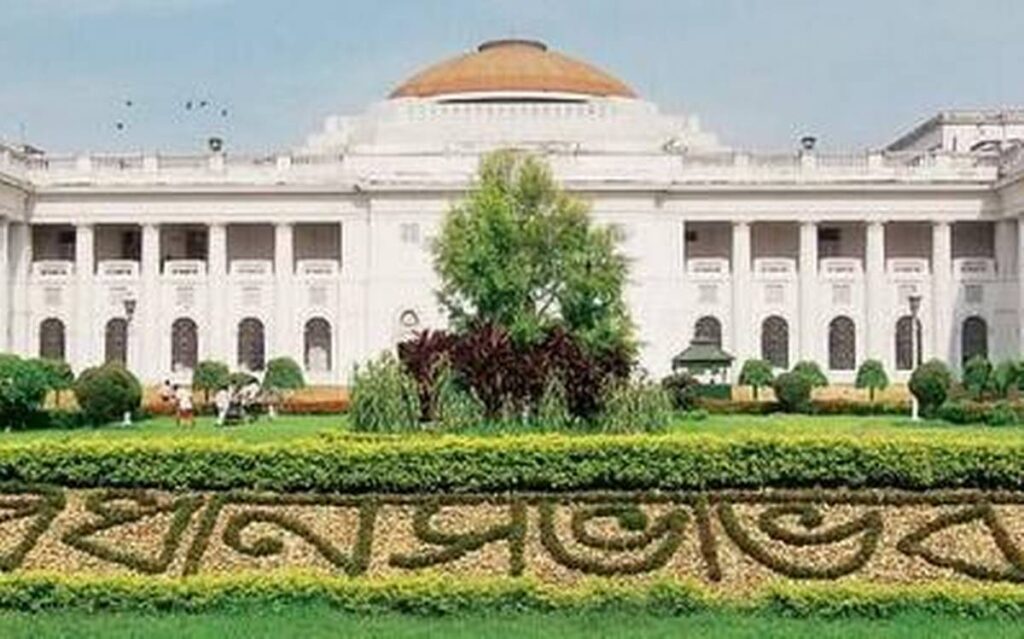
West Bengal operates under a unicameral legislature with a West Bengal Legislative Assembly consisting of 294 seats. It is governed by the Government of West Bengal, headed by the Chief Minister, currently Suvendu Adhikari of the Bharariya Janata Party (BJP) who has held office since 2026. The Governor of the state is R. N. Ravi.
- Legislature: West Bengal has a unicameral legislature, with the state assembly comprising 294 seats.
- National Parliament: In the Parliament of India, West Bengal holds 16 seats in the Rajya Sabha and 42 seats in the Lok Sabha.
The state’s High Court is the Calcutta High Court, one of the oldest in India, and plays a vital role in the state’s judicial system.
Economy of West Bengal
West Bengal’s economy is diverse, with agriculture, manufacturing, and services sectors contributing to its growth. The state is India’s sixth-largest economy, with a Gross State Domestic Product (GSDP) of ₹18.8 lakh crore (US$220 billion) as of 2024–25. Despite being one of the fastest-growing state economies, West Bengal has struggled to attract foreign direct investment, primarily due to issues such as land acquisition policies, poor infrastructure, and bureaucratic hurdles.
- Per Capita Income: ₹171,184 (US$2,000), ranking 20th in India.
- Key Industries: Agriculture (including rice, tea, and jute), manufacturing, and services, particularly IT and finance in Kolkata.
Education and Human Development in West Bengal
West Bengal ranks 27th in India on the Human Development Index (HDI) with a value of 0.635 (2022), which is slightly below the national average. Education has always been a priority in the state, and its literacy rate is steadily improving, currently standing at 82.6% (2024), ranking 25th among Indian states.
The state has made significant strides in education, with a focus on primary and secondary schooling, and a growing number of students attending universities and technical institutions. Kolkata is home to some of India’s leading educational institutions, including the University of Calcutta, Jadavpur University, and Presidency University.
Infrastructure and Transport in West Bengal
West Bengal has a well-developed transportation network, with a mix of roads, railways, and air transport. The Kolkata Metro is the oldest in India, and the state’s Kolkata International Airport (Also known as Netaji Subhash Chandra Bose International Airport) serves as a major hub for both domestic and international flights.
Tourism and Cultural Heritage of West Bengal
West Bengal is a popular tourist destination, attracting both domestic and international visitors for its natural beauty, cultural landmarks, and historical significance. Some of its major attractions include:
- Sundarbans– A UNESCO World Heritage Site and the largest mangrove forest in the world.
- Darjeeling – Famous for its tea gardens and breathtaking views of the Himalayas.
- Kolkata – Known for its colonial architecture, rich cultural scene, and festivals like Durga Puja.
The state’s cultural heritage is also enriched by its world-renowned literary figures, including Rabindranath Tagore, the first non-European Nobel laureate in Literature.
Key Facts About West Bengal
- Time Zone: UTC+05:30 (Indian Standard Time – IST)
- Vehicle Registration Code: WB
- GST State Code: 19
- Website: wb.gov.in
Frequently Asked Questions About West Bengal
How many districts are there in West Bengal?
West Bengal has 23 districts grouped into five administrative divisions.
What is the capital of West Bengal?
Kolkata is the capital and largest city of West Bengal.
Which language is mainly spoken in West Bengal?
Bengali is the primary and most widely spoken language in West Bengal.
What is West Bengal famous for?
West Bengal is famous for Kolkata, Darjeeling tea, the Sundarbans, Durga Puja, literature, art, and cultural heritage.
Maps of West Bengal
West Bengal’s geographical diversity, rich cultural heritage, and historical significance make it a state with immense importance in India’s political, economic, and cultural landscape. From the hills of Darjeeling to the urban vibrancy of Kolkata, it continues to evolve as a vital part of India’s growth story.
Last updated on 06th June 2026