Introduction
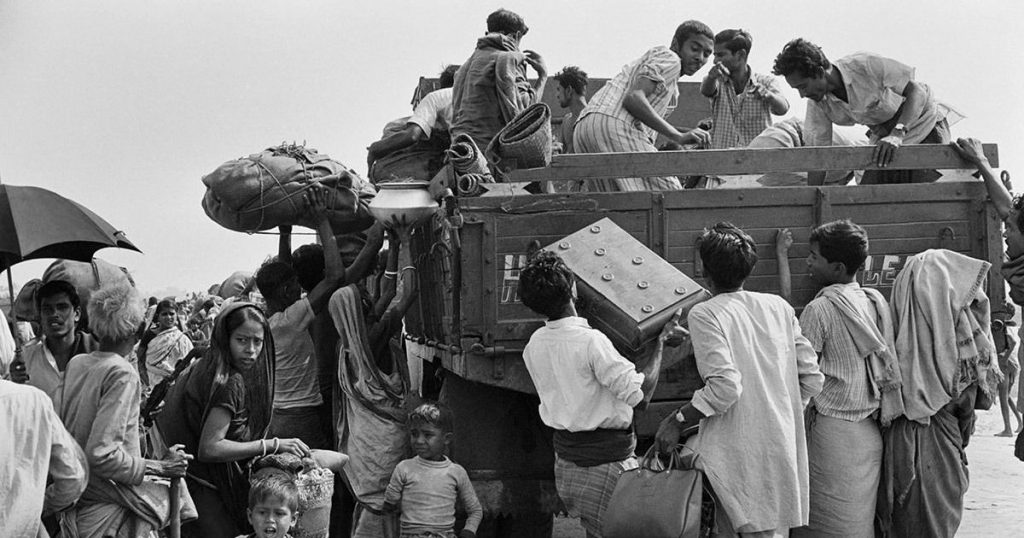
The 1971 Refugee Crisis remains one of the largest and most significant humanitarian emergencies in modern history. Within a few months, nearly 10 million refugees fled from East Pakistan (present-day Bangladesh) into India to escape violence, persecution, and mass killings carried out by the Pakistani military.
Among all Indian states, West Bengal carried the greatest burden. Sharing a long border, a common language, and deep cultural ties with the people of East Pakistan, West Bengal became the primary refuge for millions seeking safety.
The story of the 1971 Refugee Crisis is not merely about displacement. It is also a story of compassion, sacrifice, resilience, and ultimately the birth of a new nation—Bangladesh.
This remarkable chapter demonstrates how West Bengal stood at the center of one of South Asia’s most defining historical events.
Understanding the Background: Why Did the Crisis Begin?
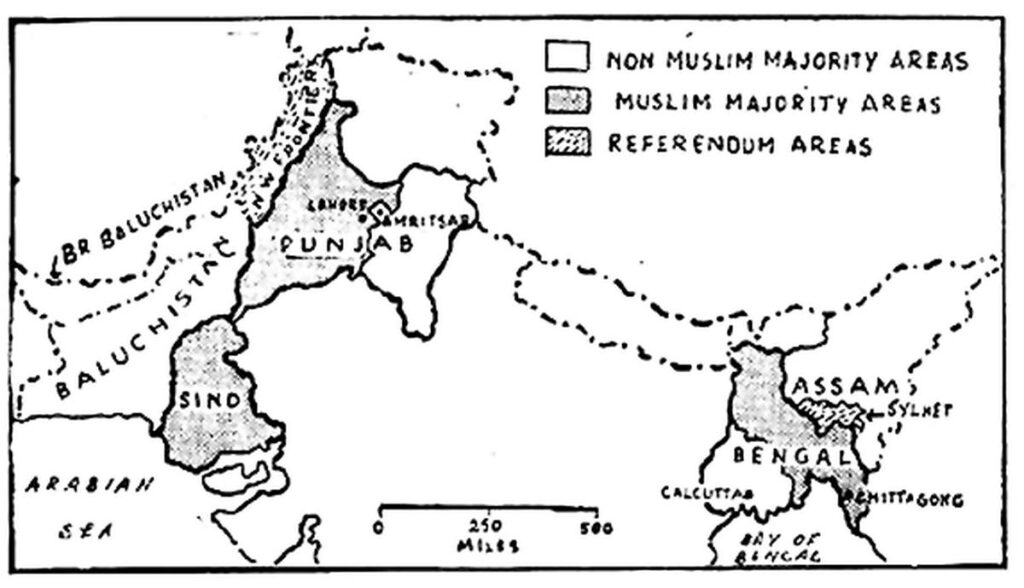
To understand the 1971 Refugee Crisis, it is important to look at the decades preceding it. When British India was partitioned in 1947, Pakistan was created in two geographically separated parts:
- West Pakistan (modern Pakistan)
- East Pakistan (modern Bangladesh)
Although East Pakistan had a larger population, political and military power remained concentrated in West Pakistan. Economic inequality, cultural discrimination, and language disputes created deep resentment among Bengalis.
The Language Movement
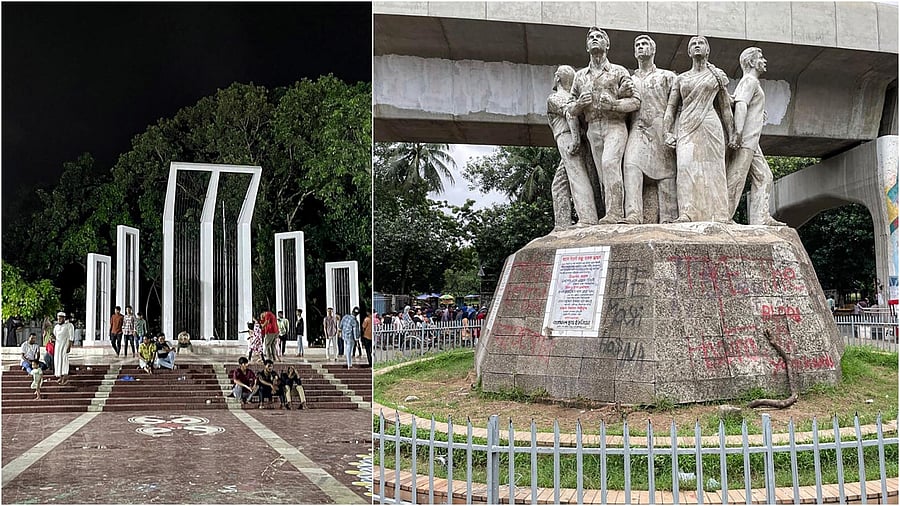
In 1948, Pakistan declared Urdu as the national language. Bengali-speaking people of East Pakistan strongly opposed this decision. The movement culminated in 1952 when students protesting for recognition of Bengali were killed by police.
The Language Movement became a symbol of Bengali identity and laid the foundation for future demands for autonomy.
The 1970 Election and Political Crisis
The tensions reached a breaking point after Pakistan’s general election in 1970.
The Awami League, led by Sheikh Mujibur Rahman, won a decisive victory and earned the democratic right to form the national government. However, political leaders and military rulers in West Pakistan refused to transfer power.
For millions of Bengalis, this was seen as a betrayal of democracy. Mass protests erupted across East Pakistan, and demands for self-determination grew stronger.
Operation Searchlight: The Beginning of the Humanitarian Disaster
On the night of 25 March 1971, the Pakistani military launched Operation Searchlight.
The operation aimed to crush Bengali nationalism and resistance. Major cities, universities, and residential areas were targeted. Thousands of civilians were killed in the first phase alone.
Universities, particularly Dhaka University, became sites of brutal massacres.
A Campaign of Terror
Reports from the period describe:
- Mass killings
- Widespread destruction
- Forced displacement
- Systematic violence against civilians
- Targeting of intellectuals and minority communities
As fear spread across East Pakistan, ordinary families faced an impossible choice:
Stay and risk death, or flee across the border.
Millions chose to flee.

The Great Exodus into West Bengal
The violence triggered one of the largest refugee movements in modern history.
Nearly 10 million people crossed into India during 1971. Most entered through West Bengal, while others moved into Tripura, Assam, and Meghalaya.
West Bengal became the epicenter of the humanitarian response.
Why West Bengal Received the Largest Number of Refugees?
Several factors made West Bengal the primary destination:
- Shared Bengali language
- Cultural and family ties
- Geographic proximity
- Existing transportation links
- Easier border crossings
More than seven million refugees eventually arrived in West Bengal, placing immense pressure on local resources.
Life Inside the Refugee Camps
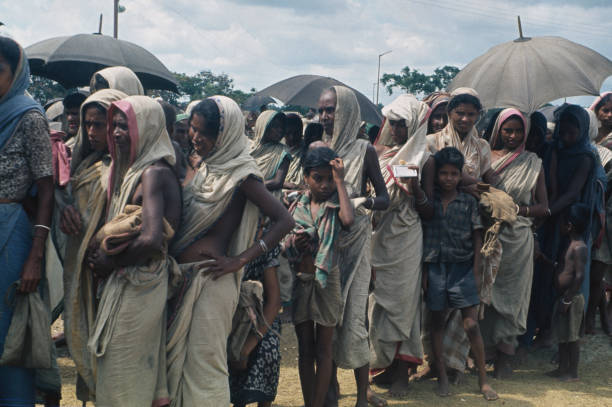
The refugee camps were often overcrowded and lacked adequate facilities.
The Indian government, along with state authorities, established hundreds of camps to house displaced families. Eventually, around 825 refugee camps were established across India.
Harsh Living Conditions
Many refugees lived in:
- Temporary shelters
- School buildings
- Community halls
- Open fields
- Makeshift camps
Heavy monsoon rains worsened conditions significantly. Food shortages, overcrowding, and poor sanitation created severe challenges.
The Public Health Emergency
The refugee crisis quickly became a major health disaster. Medical facilities were overwhelmed by the sheer number of arrivals.
Cholera Outbreak
One of the greatest threats was cholera. Thousands of refugees contracted the disease, and thousands lost their lives. Doctors, volunteers, and aid organizations worked tirelessly to contain the epidemic.
A major breakthrough came through the large-scale use of Oral Rehydration Therapy (ORT), which significantly reduced mortality rates.
Other Health Challenges
Refugees also suffered from:
- Malnutrition
- Tuberculosis
- Diarrheal diseases
- Exhaustion
- Vitamin deficiencies
Children were among the most vulnerable victims.
How West Bengal Responded
Despite facing economic difficulties of its own, West Bengal demonstrated remarkable resilience and compassion.
Local communities opened their homes, schools, and public spaces to refugees. Citizens donated food, clothing, medicine, and money.
Government and Public Cooperation
The response involved:
- State Government of West Bengal
- Government of India
- Local municipalities
- Volunteer groups
- Religious organizations
- International aid agencies
The people of West Bengal often viewed the refugees not as strangers but as fellow Bengalis in distress. This shared cultural bond played a crucial role in the humanitarian response.
The Economic Burden on West Bengal
While West Bengal responded generously, the cost was enormous.
Millions of additional people required:
- Food
- Shelter
- Healthcare
- Water
- Transportation
- Sanitation services
The crisis strained state finances and disrupted development plans. India had to divert significant resources toward refugee care.
Infrastructure, public services, and local economies came under tremendous pressure.
Yet the humanitarian commitment remained strong.
The Rise of the Mukti Bahini
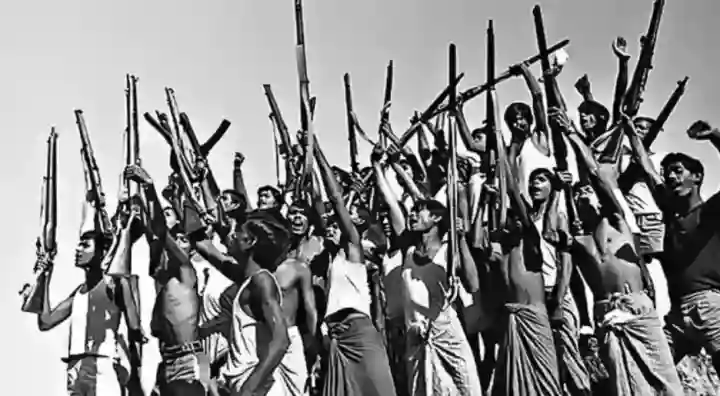
While refugees sought safety across the border, resistance fighters inside East Pakistan organized for liberation. These fighters became known as the Mukti Bahini, meaning “Freedom Force.”
A People’s Resistance Movement
The Mukti Bahini consisted of:
- Former military personnel
- Students
- Farmers
- Workers
- Volunteers
They launched guerrilla operations against Pakistani Military forces and gradually expanded their influence across East Pakistan. Many training and support activities were coordinated from areas near the Indian Border.
India’s Support and the Road to Victory
As the refugee burden grew, India increasingly became involved in the conflict. The humanitarian crisis affected national security, economic stability, and regional peace.
Eventually, India provided military assistance to the Bangladesh liberation movement.
The December War
On 3 December 1971, full-scale war broke out between India and Pakistan. Indian forces and the Mukti Bahini advanced rapidly.
Within less than two weeks:
- Major towns were liberated.
- Pakistani positions collapsed.
- Dhaka became isolated.
On 16 December 1971, Pakistani forces surrendered. Bangladesh was born as an independent nation.
Refugees Return Home
Following Bangladesh’s liberation, one of the largest repatriation efforts in modern history began. Millions of refugees returned home with assistance from the Indian government and international organizations.
By early 1972, the majority had gone back to the newly independent Bangladesh. The successful return of refugees remains one of the most remarkable humanitarian achievements of the era.
Why the 1971 Refugee Crisis Matters Today
More than five decades later, the 1971 Refugee Crisis continues to offer important lessons.
It demonstrates:
- The human cost of political oppression
- The importance of humanitarian solidarity
- The resilience of displaced communities
- The role of ordinary citizens during crises
- The enduring friendship between India and Bangladesh
For West Bengal, the events of 1971 remain a defining chapter in its modern history.
West Bengal’s Proud Legacy in 1971
The story of the 1971 Refugee Crisis and the Liberation of Bangladesh is not only the story of a war. It is also the story of millions of ordinary people who opened their hearts during a time of extraordinary suffering.
West Bengal became a sanctuary for nearly ten million refugees fleeing violence and uncertainty. Its citizens shared their resources, its institutions carried a tremendous burden, and its soil became the foundation from which hope and freedom emerged.
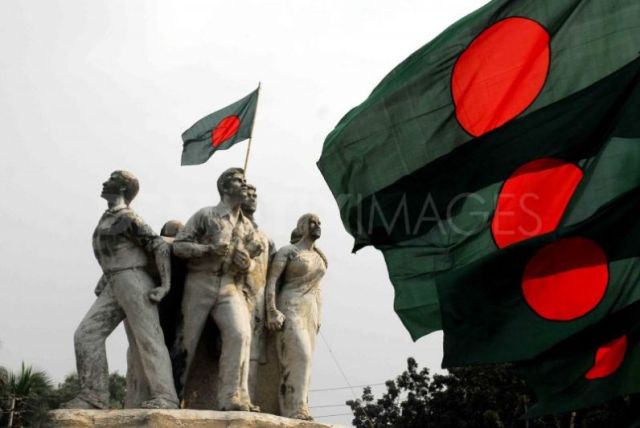
When Bangladesh finally achieved independence on 16 December 1971, it marked not only a military victory but also a humanitarian triumph.
The courage of the Mukti Bahini, the resilience of refugees, and the compassion shown by West Bengal together created one of the most inspiring chapters in South Asian history.
Last updated on 09th June 2026
Source: Wikipedia