Overview
Jhargram is a vibrant district located in the western part of West Bengal, India. Nestled amidst the forests of the western plateau, Jhargram offers a unique mix of natural beauty, tribal culture, and historical significance. Famous for its lush greenery, tribal heritage, and wildlife, Jhargram is an emerging tourist destination. The district is home to a number of nature reserves, tribal villages, and ancient temples. It is often referred to as the gateway to Jungle Mahal because of its proximity to the Sundarbans and surrounding forests. Jhargram’s rural charm, cultural richness, and peaceful environment make it an ideal destination for nature lovers and cultural explorers.
History
Historical Significations
Jhargram has a fascinating history tied to the Mughal era and British colonial rule. During the Mughal period, the region was ruled by local kings, and the area was part of the Bengal Sultanate. With the advent of the British in the 18th century, Jhargram became an important part of the Jungle Mahal region. The district saw tribal uprisings and movements during the Indian independence struggle, with local leaders playing an important role.
In the post-independence era, Jhargram became an integral part of West Bengal and witnessed steady development in agriculture, tourism, and infrastructure. The district’s connection to tribal cultures and its proximity to significant landmarks such as the Sundarbans make it a unique place in the state.
Famous For
- Tribal Culture: Jhargram is known for its rich tribal heritage, particularly the Santhal and Munda tribes.
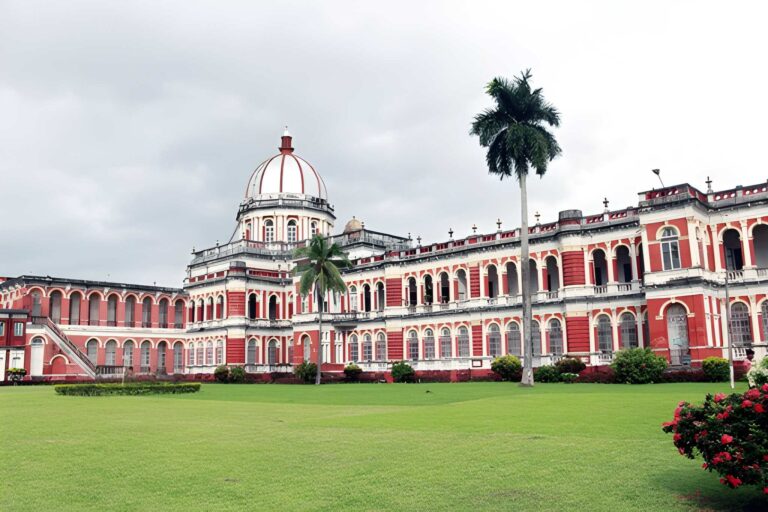
- Jhargram Palace: A symbol of the district’s royal past, Jhargram Palace is a magnificent building showcasing Rajput-style architecture.
- Nature and Wildlife: Jhargram is famous for its lush forests, wildlife sanctuaries, and waterfalls like Kankrajhor and Rajbari.
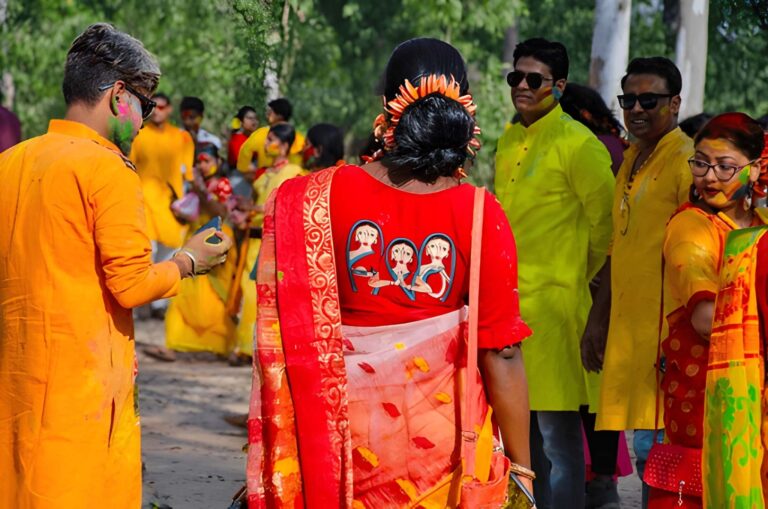
- Tribal Festivals: The region celebrates several indigenous tribal festivals like Sohrai, Baha, and Karam.
Geography & Politics
Geography
- District HQ: Jhargram
- Area: Jhargram covers an area of about 3,108 square kilometers.
- Population: The population of Jhargram is approximately 1.9 million (verify with the latest census data).
- Literacy Rate: The literacy rate in Jhargram is around 71%.
- Major Cities: Jhargram, Kankrajhor, Gopiballavpur, Garbeta, and Shalboni.
- GDP: The economy of Jhargram is largely based on agriculture, forestry, and handicrafts. It is a significant producer of paddy, jute, and vegetables.
Political
- Lok Sabha Constituencies: Jhargram is part of the Jhargram Lok Sabha constituency.
- Vidhan Sabha: The district has 6 Vidhan Sabha (Legislative Assembly) constituencies: Jhargram, Gopiballavpur, and others.
- Subdivisions: Jhargram is divided into 3 subdivisions:
- Jhargram
- Gopiballavpur
- Garbeta
- Blocks: The district consists of 15 administrative blocks.
Tourism
Places to Visit
- Jhargram Palace
- The Jhargram Palace, built in Rajput architectural style, is one of the most iconic landmarks in the district. The royal palace, surrounded by lush greenery, offers a glimpse of the region’s royal history.
- Kankrajhor
- Famous for its scenic views, Kankrajhor is a popular hill station and a must-visit for nature lovers. The surrounding forests and waterfalls make it a peaceful retreat.
- Mousuni Island
- A small island in the region, Mousuni Island is known for its pristine beaches and serene landscapes. It’s a hidden gem for those seeking peace and natural beauty.
- Rajbari
- A historic palace near Jhargram, Rajbari is another popular spot in the district. The royal family still resides here, and the palace is open for visitors to explore its beautiful architecture.
- Belpahari
- Belpahari is known for its tribal culture and is a great place to experience the Santhal lifestyle. The area is home to various tribal festivals, and visitors can learn about the local traditions.
- Jungle Mahal
- The area called Jungle Mahal, which covers parts of Jhargram, is famous for its dense forests, wildlife sanctuaries, and tribal culture. Visitors can explore the deep forests, waterfalls, and wildlife in this region.
Historical Places & Monuments
- Jhargram Palace: A reminder of the royal past, Jhargram Palace is an architectural masterpiece with a unique Rajput influence.
- Shibpur Temple: A famous Shiva temple located in the region, it attracts devotees from surrounding areas.
- Garbeta: Known for the Garbeta Rajbari, a historic palace that serves as a significant cultural landmark of the district.
Traditions and Culture
Art, Culture & Festivals
- Tribal Festivals: The Santhal and Munda tribes in Jhargram celebrate various festivals, including Sohrai, Baha, and Karam, which involve traditional dances, music, and feasts.
- Durga Puja: Like the rest of West Bengal, Durga Puja is widely celebrated in Jhargram. The festivities are marked by elaborate pandals and cultural performances.
- Makar Sankranti: This festival is celebrated with traditional kite flying, bonfires, and other cultural events.
Language & Dialects
The primary language spoken in Jhargram is Bengali, though the local Santhal and Munda tribes speak their indigenous dialects. Hindi is also widely understood, and English is used in education and administration.
Cuisine and Food
- Rice and Fish: A staple food in Jhargram, rice served with fish curry is commonly eaten by the locals.
- Macher Jhol: A traditional Bengali dish made with fish, potatoes, and tomatoes.
- Sondesh: A popular Bengali sweet made from cottage cheese and flavored with cardamom.
- Pakhala Bhata: A fermented rice dish that is traditionally served with fish and vegetables, popular in rural parts of Jhargram.
Education and Medical
Colleges and Institutes in Jhargram
- Jhargram Raj College: A government college offering undergraduate courses in arts, science, and commerce.
- Bengal College of Engineering and Technology (BCET): Located in Jhargram, this college offers various engineering programs.
- Gopiballavpur College: A college offering undergraduate programs in arts and commerce.
Hospitals and Medical Services in Jhargram
- Jhargram District Hospital: The main government hospital providing healthcare services to the population of Jhargram and nearby areas.
- Mamata Memorial Hospital: A private hospital offering specialized treatments in pediatrics, gynecology, and orthopedics.
- Belpahari Hospital: A healthcare center in Belpahari, providing essential medical services.
Key Facts at a Glance
- Area: 3,108 sq. km.
- Population: Approx. 1.9 million (verify with the latest census).
- Subdivisions: 3
- Blocks: 15
- Major Tourist Spots: Jhargram Palace, Kankrajhor, Mousuni Island, Rajbari, Jungle Mahal.
- Famous For: Tribal culture, scenic landscapes, wildlife sanctuaries, and royal heritage.
SEO Keywords List (for reference)
- Jhargram tourism
- Jhargram Palace
- Kankrajhor
- Jungle Mahal
- Tribal culture Jhargram
- Durga Puja Jhargram
- Wildlife sanctuaries Jhargram
- Bengali cuisine Jhargram
- Jhargram colleges and hospitals
- Tribal festivals Jhargram